
The Photoshop clone that hurts GIMP
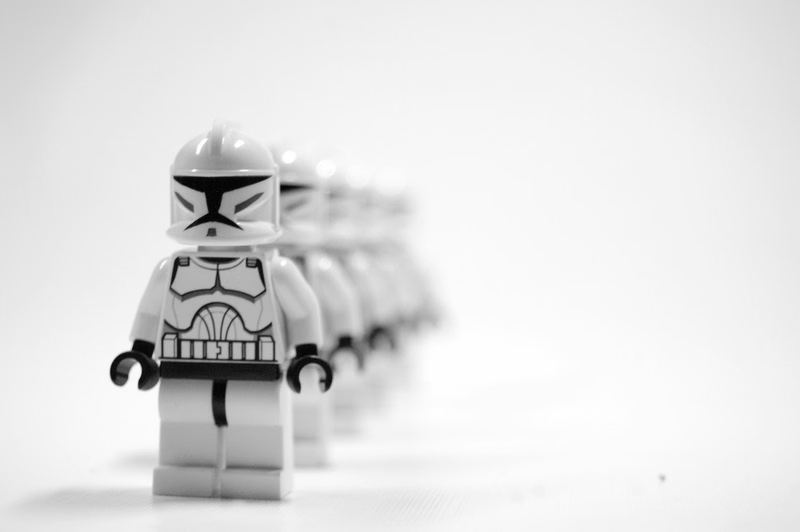
We are seeing a wave of "X rebuilt in pure Y" projects: clones of the most expensive proprietary software. In just a few weeks, someone has published a replica of almost the entire Adobe and Microsoft Office catalog, written in Rust by Claude. PhotoCraft, a Photoshop clone. WordCraft, a Word clone. FigCraft, a Figma clone. And more projects are on the way.
From a distance, it may look like a checkmate against companies like Adobe or Microsoft. In reality, it is a move against open source. We are building free alternatives to free software, not to proprietary software. Professionals pay for the license because they want things to work and be compatible; they don't care about alternatives. Whoever installs a clone is someone who never wanted to pay Adobe in the first place. The same person who would have downloaded GIMP or Krita. A user who could have discovered a free project, and maybe even contributed to it one day, ends up with a broken version and no support.
Behind every open source project there are years or decades of accumulated knowledge, of very specific and very specialized contributions. GIMP was born in 1995 as a class project by two Berkeley students, and LibreOffice descends from StarWriter, a word processor from 1985. Every fixed line has a story behind it: a document that broke its layout, a printer that didn't work properly, a .docx with twenty years of inherited styles. A clone can imitate the behavior it observes, but not the accumulated wisdom.
Then there is the lack of friction. Without the effort of learning or contributing, there is no long-term bond, let alone a community. I wrote about this in I closed pull requests and issues on my projects, and I'm happier, in case you want to dig deeper. A project needs frustration, reward and communication to be sustainable. Whoever drops a prompt into your project today will drop it into a more fun one tomorrow.
I'm not against using AI to code: I use it every day. I'm against where the effort is going. All that energy, all that money spent on tokens, could be fixing the interface or the documentation of an existing project, or improving its compatibility. But contributing to something old is boring, and cloning popular software is fun: it gives you the feeling of having beaten Adobe over a weekend. Meanwhile, the one really getting weaker is the free software ecosystem.
Free software isn't defended by cloning it. It's defended by using it and contributing to it. Instead of inviting people to use a clone, buy a virtual coffee for the developer behind your favorite free alternative.

This work is under a Attribution-NonCommercial-NoDerivatives 4.0 International license.
Help me keep writing
Every coffee gives me a push toward the next article.
 Sure, it's on me!


Comments
There are no comments yet.